September 8, 2026•
8 min read
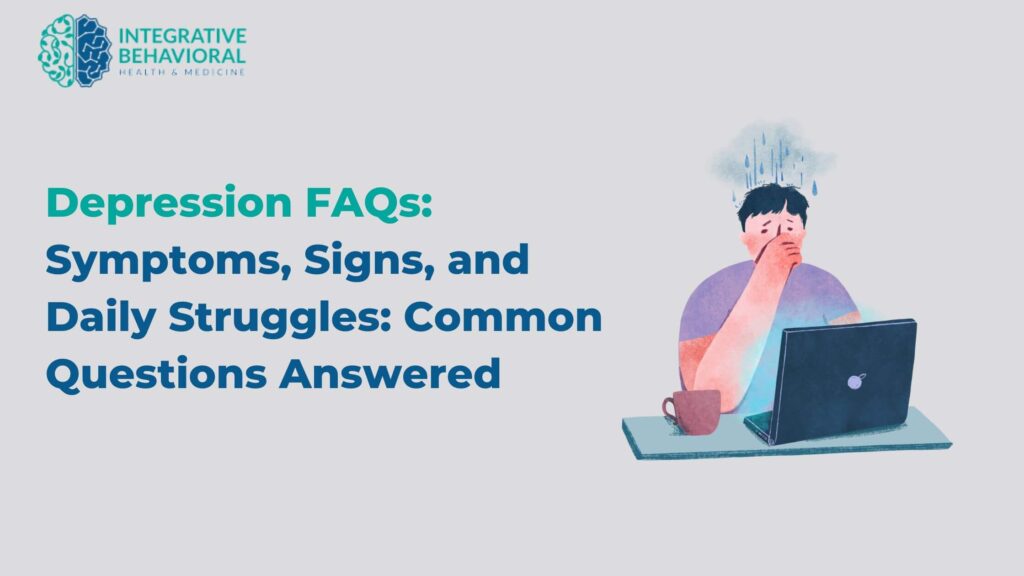
Depression is more than just feeling sad—it's a serious mental health condition that affects how you feel, think, and handle daily activities. Our comprehensive approach addresses the biological, psychological, and social factors contributing to depression, helping you find lasting relief and renewed hope.
Depression is more than just feeling sad—it's a serious mental health condition that affects how you feel, think, and handle daily activities. Our comprehensive approach addresses the biological, psychological, and social factors contributing to depression, helping you find lasting relief and renewed hope.
Recognizing the signs of depression is the first step toward getting help. Symptoms can vary in intensity and may affect different areas of your life.
Persistent sad, anxious, or empty mood
Feelings of hopelessness or pessimism
Loss of interest in hobbies and activities
Decreased energy or fatigue
Difficulty concentrating or making decisions
Changes in sleep (insomnia or oversleeping)
Changes in appetite or weight
Thoughts of death or suicide
Depression typically results from a combination of biological, psychological, and environmental factors. Understanding these can help guide effective treatment.
Brain chemistry imbalances
Genetic predisposition
Major life changes or trauma
Chronic medical conditions
Certain medications
Social isolation or relationship problems
At Integrative Behavioral Health & Medicine, we use evidence-based approaches tailored to your unique needs. Our comprehensive treatment plans combine multiple modalities for the best outcomes.
Individual psychotherapy (CBT, IPT)
Medication management
TMS Therapy for treatment-resistant depression
Lifestyle interventions (exercise, sleep hygiene)
Group therapy and support
Mindfulness-based approaches
While professional treatment is important, there are evidence-based strategies you can practice on your own to help manage depression symptoms.
Establish a daily routine, even simple tasks can provide structure
Get outside for natural sunlight, especially in the morning
Stay connected with supportive friends and family
Set small, achievable goals each day
Limit social media and news consumption if it worsens mood
Practice gratitude by noting three positive things each day
Thoughts of self-harm or suicide
Inability to perform daily activities
Severe panic attacks or dissociation
Substance use to cope with symptoms
Symptoms of depression lasting more than 2 weeks
Difficulty functioning at work, school, or in relationships
Sleep disturbances affecting daily life
Previous treatments haven't provided relief
National Suicide Prevention Lifeline
Call or text: 988
Crisis Text Line
Text HOME to 741741
If you or someone you know is in immediate danger, please call 911 or go to your nearest emergency room.
Get answers to common questions about eating disorders, treatment options, and what to expect during your care.
Our specialists are here to help you understand and manage your condition.